What Does Sealcoating a Parking Lot Do?
First impressions matter, so to keep your North Carolina business looking and working its best, you want to have a well-maintained parking lot. One effective and essential preventive maintenance technique for parking lots is sealcoating.
Sealcoating enhances the appearance and performance of parking areas while extending the pavement lifespan. If you’re deciding whether sealcoating is the right choice, Raleigh Paving can help. Explore sealcoating and its benefits in more detail.
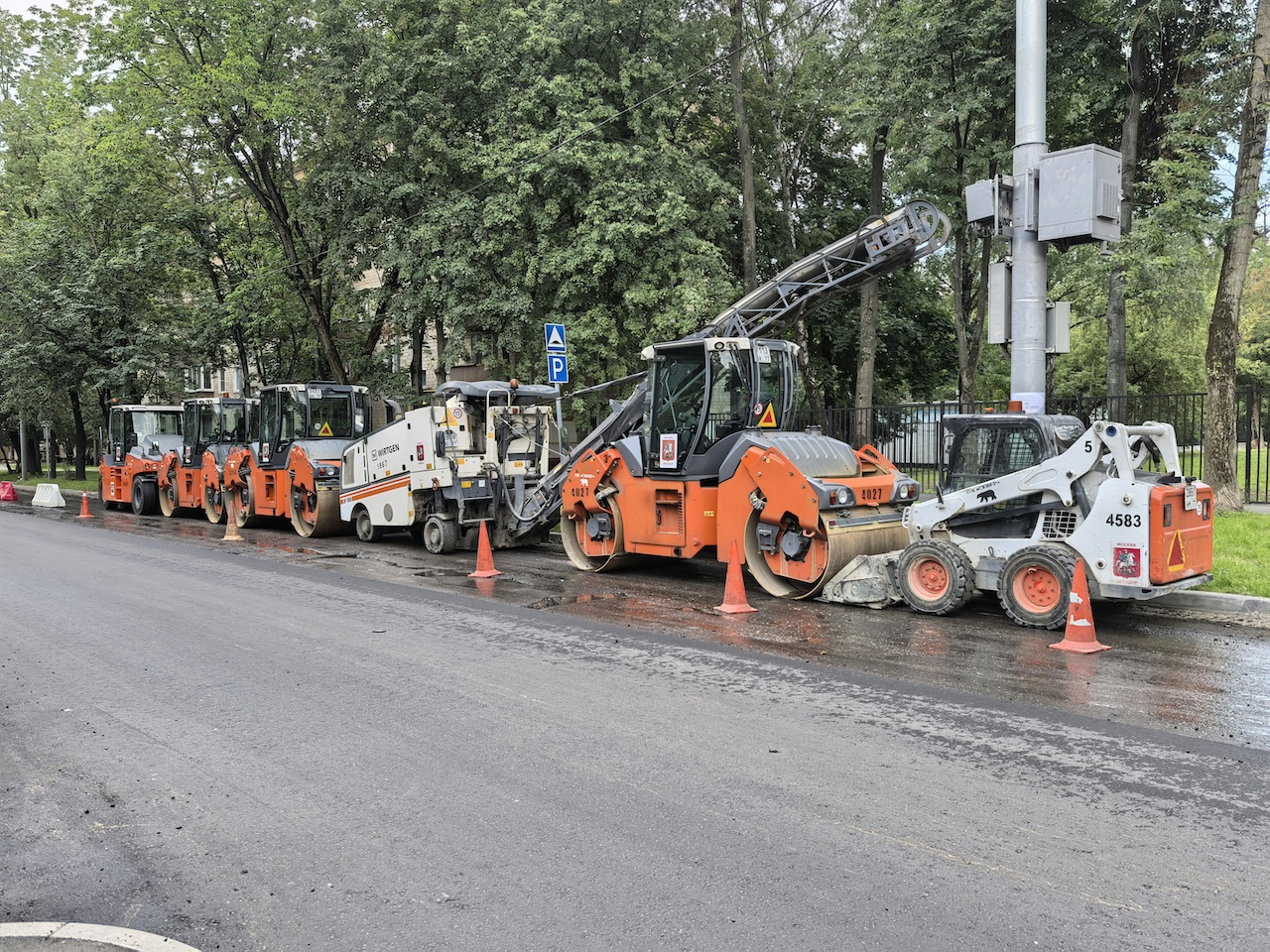
What Is Sealcoating?
Sealcoating is a protective sealant applied over asphalt. It may contain a mixture of bitumen, acrylics, water, silica sand, polymers and other products which, when sprayed onto asphalt, create a hard seal.
What Sealcoating Does
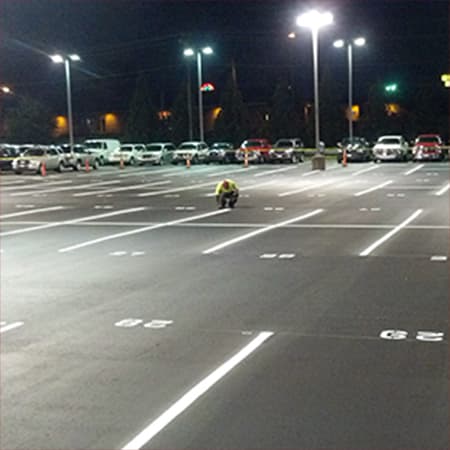
When sealcoating is applied to your parking lot and hardens, it can protect your asphalt from damage caused by precipitation, oil, water and UV rays. It can also restore a uniform black finish and improve the visibility of parking lot striping.
In North Carolina’s climate, sealcoating can prove advantageous. The state’s humidity, heat and precipitation can weaken asphalt paving over time. Once applied and hardened, sealcoating makes the surface less permeable, strengthening it and extending its lifetime.
What Sealcoating Does NOT Do
While sealcoating is beneficial as a protective device, it’s not necessarily a fix for larger issues affecting parking lots. Sealcoating does not:
- Repair structural problems or damage to the parking lot’s base
- Fill in cracks
- Fix potholes
- Correct drainage problems
- Add significant structural thickness
- Substitute asphalt repair or paving
To put it more plainly, sealcoating is an essential preventive maintenance technique that protects your parking lot against certain deterioration. However, it won’t fix larger issues or protect against all damage. If your lot has major cracking, foundational damage or other serious problems, more significant repairs—like resurfacing or repaving—may be necessary.
Sealcoating vs. Resurfacing vs. Repaving: Understanding the Difference
If you’re unsure whether your lot will benefit from sealcoating, resurfacing or repaving, check the following table.
| Sealcoating | Resurfacing | Repaving | |
| Service | Surface-level protection against wear and tear | New paving overlays the existing paving | Complete removal and replacement of the existing pavement and foundations |
| Cost | Lower cost | Higher cost | Highest compared to sealcoating and resurfacing |
| Primary Use | Preventive maintenance | Addresses deeper wear and tear | Addresses significant structural damage |
| Frequency | For most, every 2 – 4 years | Less frequently, about every 8 – 12 years | Approximately every 15 years or after significant damage |
Why Parking Lots Require Maintenance Like Sealcoating
Parking lots will experience wear and tear over years of use. In fact, unlike major roads, they lack the steady, even traffic stream that keeps the pavement smooth and compacted. As a result, parking areas are more susceptible to deterioration than many heavily used roadways.
Daily stresses that might eventually affect parking lots include:
- Heavy vehicle weights
- Tire and turning friction
- Oil and fuel leaks
- UV exposure
- Rainfall and moisture damage
Over time, the pavement may crack, oxidize and lose flexibility, necessitating maintenance like sealcoating and crack filling. If your lot receives this maintenance at regular intervals, you can often avoid the cost of frequent resurfacing or major repairs. You can also maintain a smooth, functional and visually appealing surface.
How Often Should You Reseal a Parking Lot?
Most parking lots in North Carolina need regular resealing. We generally recommend sealcoating your lot every 2 – 4 years. However, various factors may mean you need to do it more or less frequently.
Factors affecting sealcoating timelines include:
- Traffic volumes on your lot
- Sunlight and UV exposure
- Drainage conditions
- Regional climates
- Oil and chemical exposure
If your parking lot is fading (turning from black to gray), developing cracks or has loose gravel, your sealcoating may need replacement. The best course at this point is to contact a professional paving company for a site inspection. They can help you determine necessary repairs.
Benefits of Professional Sealcoating
By protecting surfaces and extending pavement life, sealcoating can have multiple business advantages.
- Enhanced appearance: Sealcoating creates a smoother parking surface that is easier for customers, tenants and suppliers to access. It also fosters a well-maintained appearance.
- Long-term cost management: Investing in regular sealcoating protects your pavement and reduces the risk of large damage and costly repairs.
- Simplified maintenance: Sealcoating is usually easier to clean and maintain than bare, unsealed asphalt.
Always work with an experienced paving partner when pursuing sealcoating for parking lot maintenance. Skilled pavers will ensure the new sealcoating layer is even, strong and reliable.
Protect Your Commercial Property Investment With Sealcoating
Sealcoating your parking lot makes it last longer and gives it a fresh look. North Carolina businesses deserve this valuable protection. Since 1925, Raleigh Paving has provided commercial paving and sealing services across North Carolina, and we’re ready to help you safeguard your property with reliable solutions backed by friendly service and expertise.Request a free quote on sealcoating and other paving services today.
Find Your Paving Solution